Spring Subfloor Inspection Services From Local Contractors
Kickstart your spring renovation with trusted local contractors who can inspect and improve your subfloor for a safer, more stable home.
Spring is often considered an ideal time to assess and inspect subfloors, as the season typically brings milder weather and increased opportunities for property maintenance projects. During spring, property owners may notice shifts or issues with their flooring that become more apparent after winter’s temperature fluctuations and humidity changes. This period provides a practical window to identify underlying problems early, before they develop into more extensive or costly repairs. Engaging local contractors for subfloor inspections in spring can help ensure that foundational issues are addressed promptly, supporting the overall stability and safety of a property.
Subfloor inspecting services generally include evaluating the condition of the existing subfloor material, checking for signs of damage such as warping, sagging, or water intrusion, and assessing the structural integrity of the underlying support system. Inspectors may also look for moisture issues, mold growth, or pest activity that could compromise the subfloor’s performance. The goal is to identify any problems that could affect upcoming renovation or flooring projects, or that might indicate the need for repairs or replacement. Property owners can rely on local service providers to perform thorough assessments that help inform maintenance plans and ensure the foundation remains solid.
When comparing local options for subfloor inspection services, property owners should consider the experience and reputation of nearby contractors, as well as the scope of services offered. It’s helpful to review what specific aspects of the subfloor are examined and whether the provider offers guidance on necessary repairs or next steps. Checking for transparency about the inspection process and understanding how the service fits within broader property maintenance plans can also aid in making an informed choice. By evaluating the credentials and expertise of local contractors, property owners can select professionals best suited to address their particular needs and ensure the structural health of their property.
Compare local contractors’ expertise and experience to find the best fit for your spring subfloor inspection needs.
- Subfloor Inspection - Local contractors can assess the condition of existing subfloors to identify issues early.
- Moisture Testing - Service providers use moisture meters to detect excess moisture that could affect flooring installation.
- Damage Evaluation - Professionals evaluate signs of damage or deterioration that may compromise subfloor stability.
- Preparation Recommendations - Experts can advise on necessary repairs or preparations before new flooring installation.
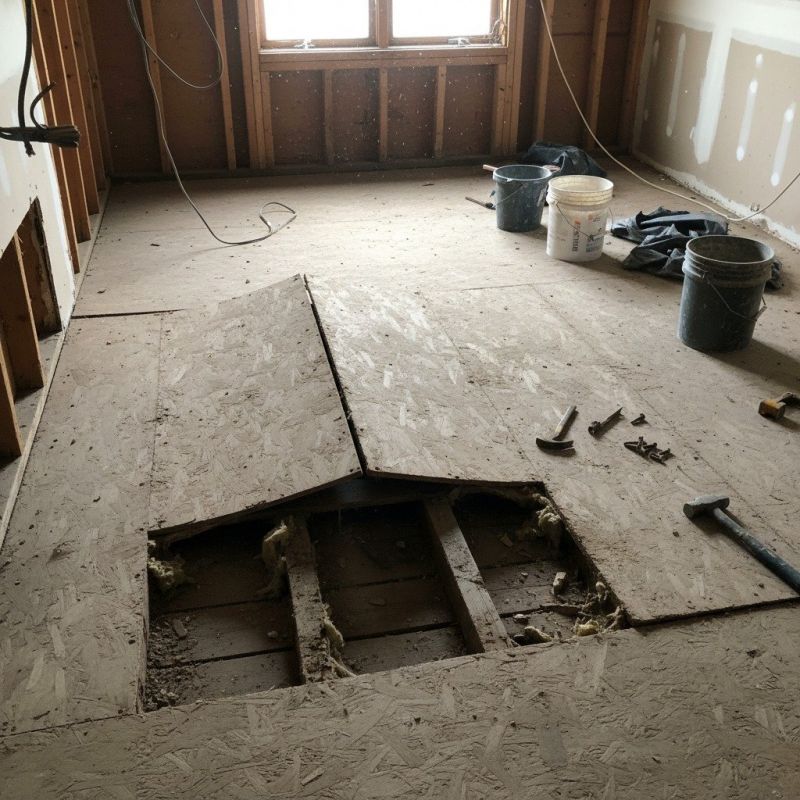
Before comparing options, clearly describe your subfloor inspection project to help local contractors recommend the best approach.
- Check for signs of water damage or mold growth that may indicate underlying issues. - Look for soft or sagging areas that suggest subfloor deterioration or instability.
- Inspect for cracks, gaps, or uneven surfaces that could affect flooring installation. - Ensure the subfloor is level and free of major imperfections before proceeding.
- Examine the subfloor for rot, mold, or pest damage that may compromise its integrity. - Identify areas where repairs or replacements might be necessary.
- Verify that the subfloor is clean, dry, and free of debris to promote proper adhesion of new flooring. - Remove any dust, dirt, or loose materials from the surface.
- Assess the thickness and material of the existing subfloor to determine if it meets project requirements. - Consult with local contractors about suitable options for repairs or upgrades.
- Look for any signs of previous repairs or patchwork that could affect the subfloor’s performance. - Note areas that may need reinforcement or professional evaluation before installation.
Use this as a starting point to explore ideas with local contractors for your spring subfloor inspection project.
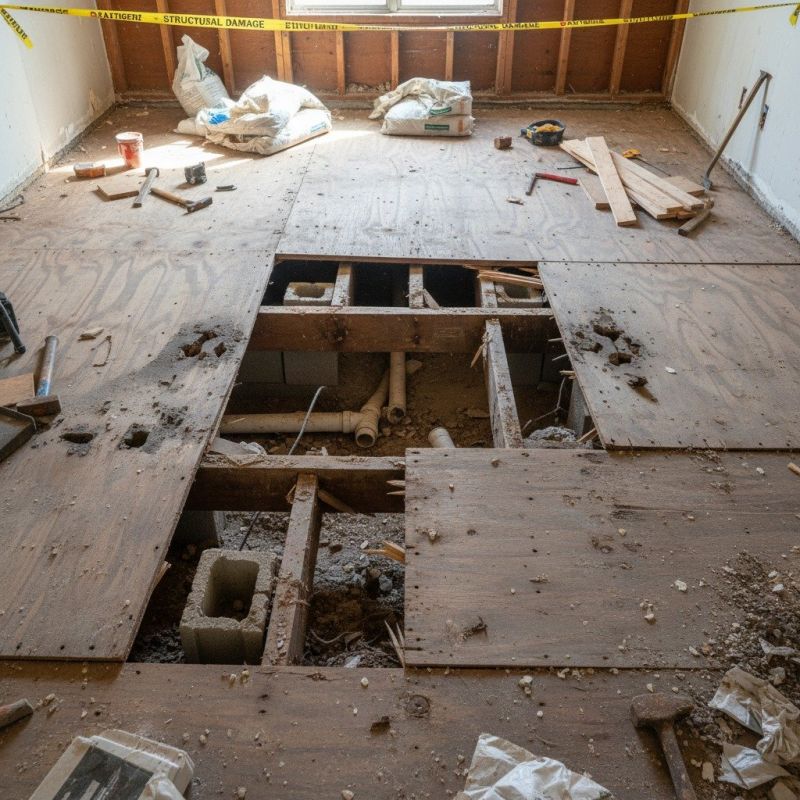
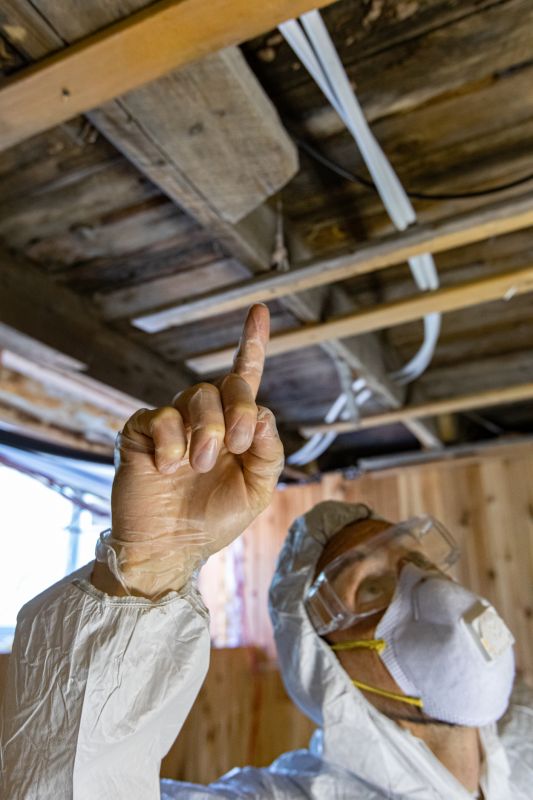

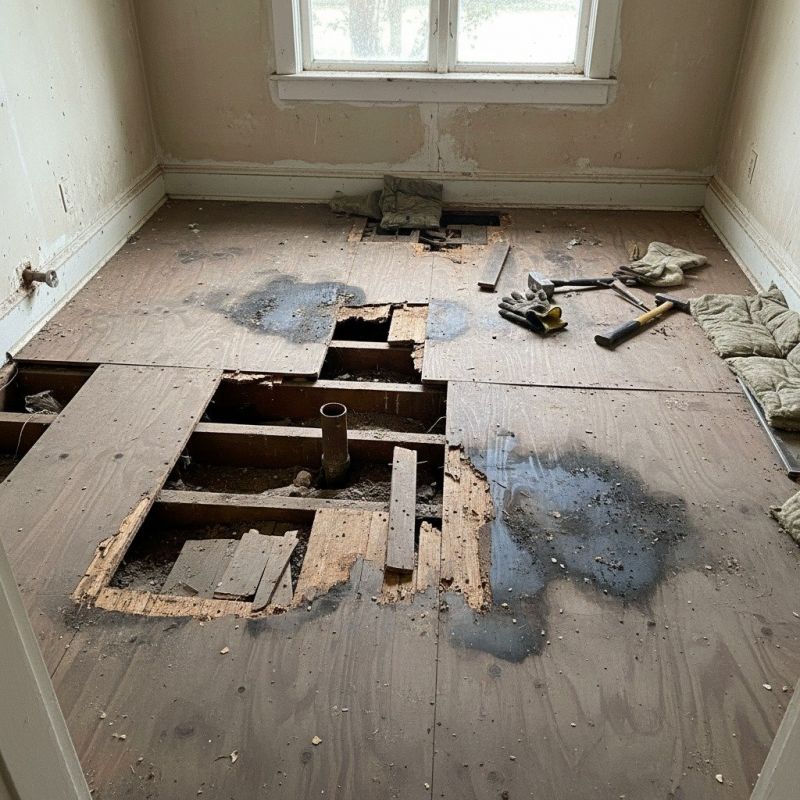
When planning your spring subfloor inspection, prioritize your needs and compare local contractors to find the best match.
- Subfloor Inspection - Spring is an ideal time to assess the condition of subfloors after winter. Local contractors can evaluate for moisture damage, warping, or mold that may have developed during the colder months.
- Moisture Testing - Conducting moisture tests helps identify areas of excess dampness that could compromise flooring stability. Service providers can perform these tests to ensure the subfloor is dry and suitable for flooring installation or repairs.
- Structural Assessment - A thorough inspection can reveal any structural issues or sagging caused by seasonal temperature fluctuations. Experienced pros can recommend necessary repairs to maintain a solid foundation for flooring projects.
- Repair and Reinforcement - Spring projects often include reinforcing or repairing subfloors to prepare for new flooring installations. Local specialists can handle patching, leveling, or replacing damaged sections efficiently.
- Preparation for New Flooring - Inspecting and fixing the subfloor ensures a smooth, stable surface for upcoming flooring updates. Service providers can assist with surface preparation to support long-lasting, high-quality results.
Compare local contractors' subfloor inspection methods to ensure consistent quality and thoroughness across providers this spring.
- Surface Condition - Check for visible signs of damage, such as cracks, rot, or uneven surfaces, that may affect subfloor stability.
- Moisture Levels - Assess moisture content to identify potential water damage or mold risks that could compromise the subfloor.
- Structural Integrity - Evaluate the subfloor’s support system, including joists and beams, for signs of weakness or deterioration.
- Levelness and Flatness - Determine if the subfloor is level and smooth to ensure proper installation of flooring materials.
- Insulation and Ventilation - Inspect insulation and ventilation conditions beneath the subfloor to prevent moisture buildup and related issues.
When evaluating service providers for subfloor inspecting during the spring season, it is helpful to consider their experience with similar projects. Homeowners should seek out local contractors who have a history of inspecting subfloors in environments that match their specific needs, such as homes with recent renovations or moisture-prone areas. An experienced pro will be familiar with common issues that arise during spring, like increased humidity or water intrusion, and will know how to identify potential problems effectively. This background can contribute to a more thorough assessment and help ensure that any underlying issues are properly addressed before further work begins.
Clarity in the scope of work is essential when comparing local service providers. Homeowners are encouraged to look for professionals who can clearly communicate what their subfloor inspection will include, such as checking for moisture levels, structural integrity, or signs of mold. A well-defined scope helps set expectations and ensures that the inspection covers all necessary aspects relevant to springtime concerns. Service providers who can articulate their process and the specific areas they will evaluate make it easier for homeowners to understand what to expect and to determine if the approach aligns with their project goals.
Work planning considerations are also important when selecting local contractors for spring inspections. Homeowners should inquire about how the inspection will be scheduled and whether the provider considers seasonal conditions, like increased moisture or outdoor weather factors, in their planning. A professional who accounts for these seasonal influences can better prepare for the inspection process, ensuring that the evaluation is thorough and accurate despite spring’s variable weather. Understanding how contractors plan their work can also help homeowners coordinate other project steps, such as repairs or moisture mitigation, seamlessly into the overall renovation timeline.
Finally, evaluating options involves assessing the experience, scope clarity, and planning approach of different local service providers without focusing on pricing. Homeowners should consider factors such as the provider’s reputation for thorough inspections, their ability to communicate clearly, and their approach to scheduling and seasonal challenges. Comparing these qualities across multiple options allows homeowners to identify professionals who are well-equipped to handle spring-specific conditions and ensure that the subfloor inspection is comprehensive and reliable. This thoughtful evaluation process helps connect homeowners with service providers best suited to meet their project needs.
Request written scope details from local contractors to ensure clarity and consistency for your spring subfloor project.
- **Scope of Inspection** - What specific subfloor issues should local contractors assess during a spring inspection?
- **Provider Comparison** - How do different service providers evaluate subfloor conditions to ensure thorough inspections?
- **Inspection Techniques** - What methods or tools do local pros use to identify hidden or underlying subfloor problems?
- **Service Scope** - What aspects of the subfloor are typically included in a standard inspection offered by local contractors?
- **Experience and Expertise** - How do local providers’ experience levels influence the scope and quality of subfloor inspections?
What is involved in inspecting a subfloor? Inspecting a subfloor typically includes checking for signs of damage, moisture issues, and structural integrity to ensure it is suitable for flooring installation or repairs.
How can I tell if my subfloor needs repairs? Indicators such as sagging, uneven surfaces, or visible stains and mold can suggest that a subfloor requires inspection and potential repairs by local contractors.
What are common causes of subfloor damage? Common causes include water leaks, high humidity, poor ventilation, and structural movement, which can compromise the subfloor’s stability over time.
Why is a professional subfloor inspection important? A professional inspection helps identify hidden issues that could affect flooring durability and safety, ensuring proper repairs or replacements are made.
What should I look for during a spring subfloor inspection? During spring, focus on moisture buildup, mold growth, and any signs of water intrusion that may have been exacerbated by seasonal changes.
How do local service providers handle subfloor inspections? Local contractors typically perform thorough visual assessments, moisture testing, and structural evaluations to determine the condition of the subfloor and recommend solutions.
Understanding the importance of a thorough subfloor inspection can help ensure your home’s foundation is sound before undertaking any spring renovation projects. Visitors learned about key signs indicating subfloor issues and the value of professional assessments to identify potential problems early. To explore options and find trusted local contractors who can handle subfloor inspections, using the quote form provides a simple way to compare nearby service providers and make informed decisions.
Spring is an ideal time to evaluate your home’s structure and plan necessary repairs or improvements. By utilizing the quote form, visitors can connect with local service providers experienced in subfloor inspections, allowing for a tailored approach to meet specific needs. Comparing options through this process helps ensure access to reliable local contractors ready to assist with your project.
Providing clear details about your subfloor inspection needs helps local contractors understand your project and connect you with suitable service providers.
- Visual Inspection - Share details about the current condition of the subfloor and any visible signs of damage or wear.
- Material Type - Describe the type of subfloor material present, such as plywood, OSB, or concrete.
- Structural Concerns - Identify any areas where the subfloor shows signs of sagging, warping, or weakness.
- Moisture Issues - Note any indications of moisture or water damage that could affect subfloor integrity.